
SEARCH THE ARCHIVE
KEYWORD
CATEGORY

Fabian Marcaccio on Jasper Johns
His flags and maps from the 50s are great but this painting shows, in a humble way, all of the doubts, questions, and ambiguities he had about America.

Tony Ingrisano on Yukinori Yanagi
Looking back, I am amazed that I was attracted to them at all; my tastes skew towards the insanely complicated and these pieces were really just simple line drawings.

Emily Noelle Lambert on James Turrell
After a long winter and a cool spring, I find that my inspiration stems from color, arresting me and connecting me in time.
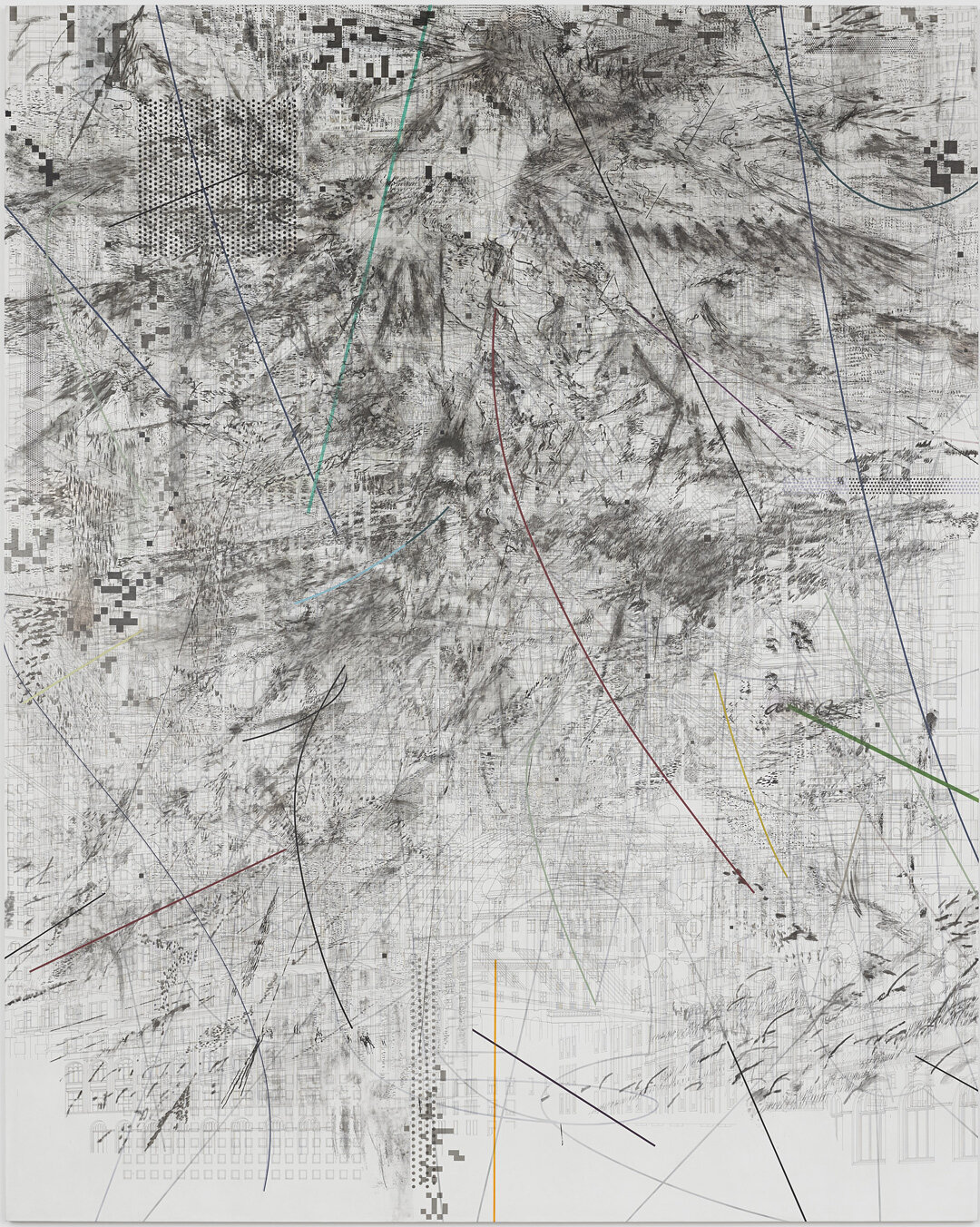
Benjamin Britton on Julie Mehretu
I decided to write about Mogamma (A Painting in Four Parts): Part II by Julie Mehretu. Although I’ve followed her work for a while, it has become the piece of hers I have seen in situ the most.

Alexandria Smith on Laylah Ali
I first came across Laylah Ali's paintings in graduate school and immediately felt enamored. Her works were refreshing and filled me with validation.
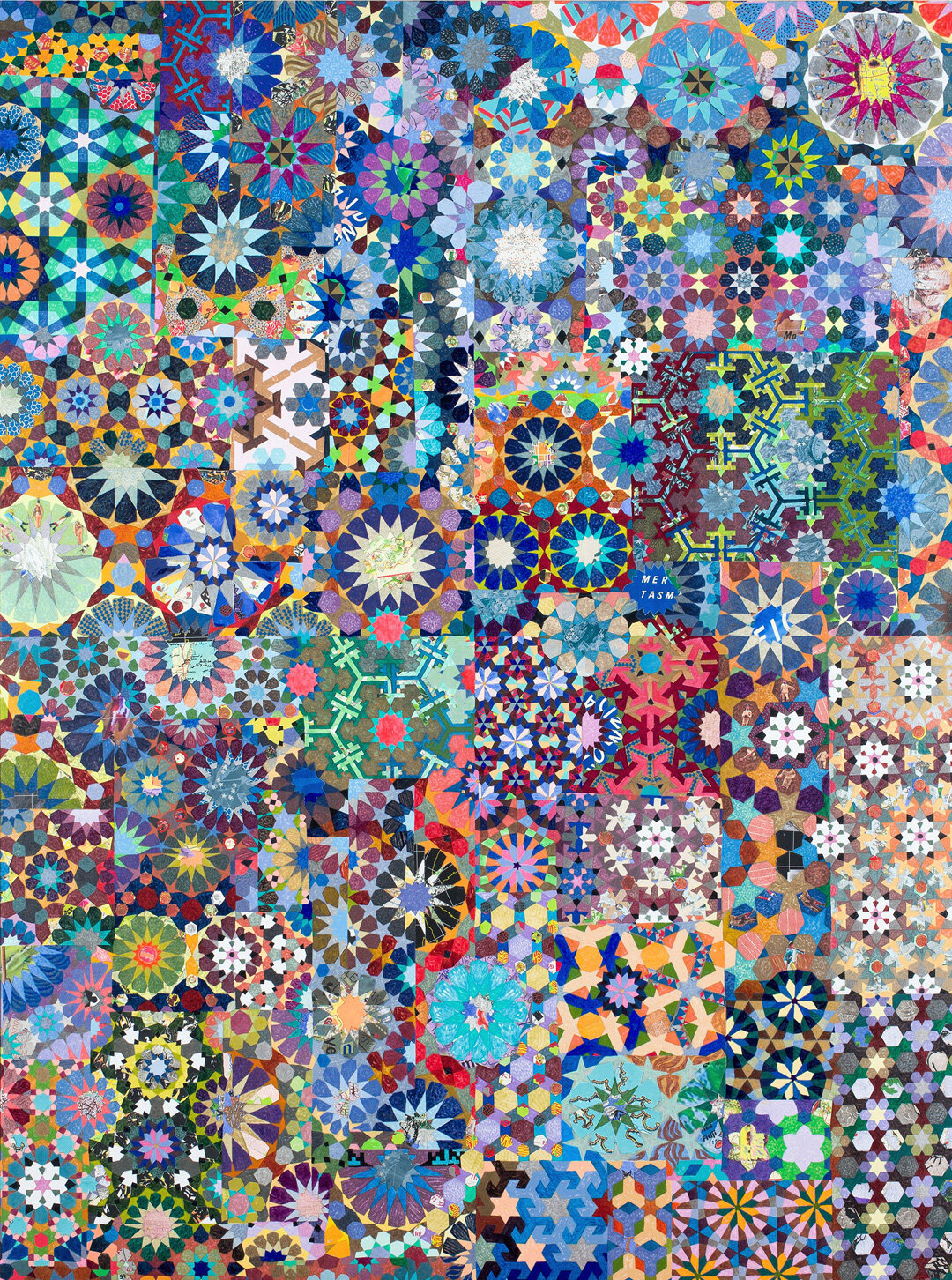
Tony Robbin on Joyce Kozloff
Joyce Kozloff’s If I Were an Astronomer (Tasman), 2014, has a magical, rich, nocturnal silver-blue light that unifies the work and allows an exuberance of imagery to be seen as a whole.
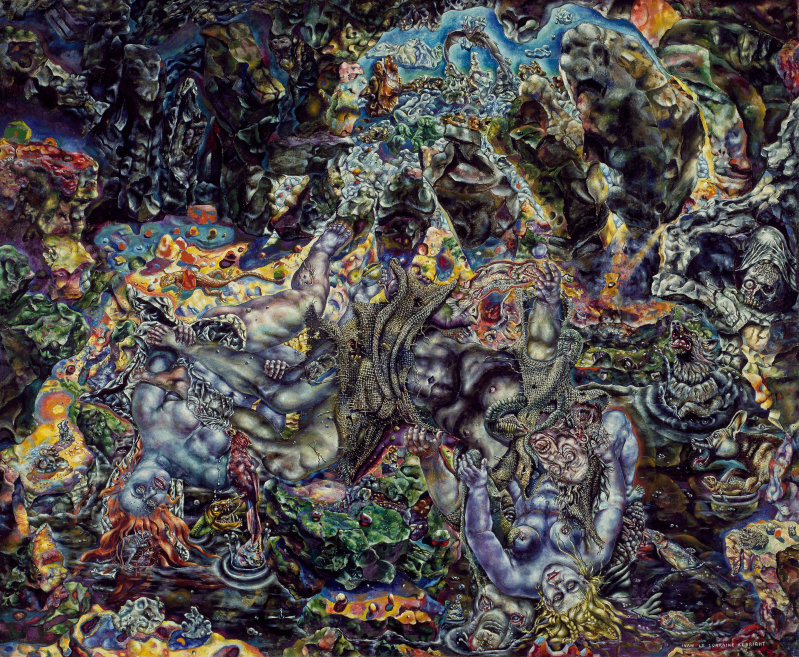
Ed Valentine on Ivan Albright
The first time I saw an Ivan Albright painting was as a sophomore art student, in an art history class at The Columbus College of Art and Design. That was 1970.
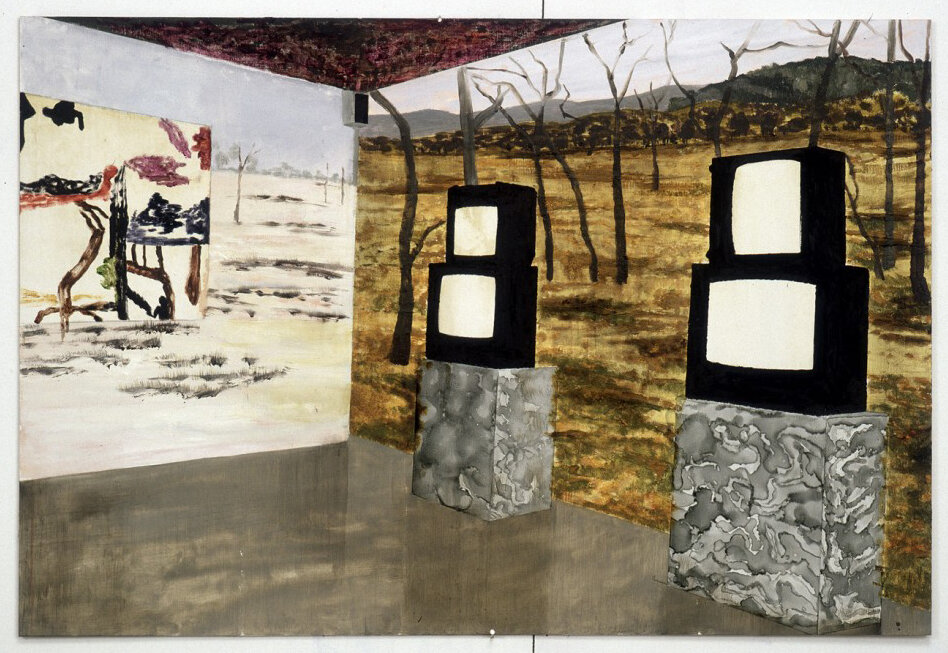
Elizabeth Glaessner on Karin Mamma Andersson
I discovered the work of Karin Mamma Andersson as an undergraduate while scanning art magazines in the library.
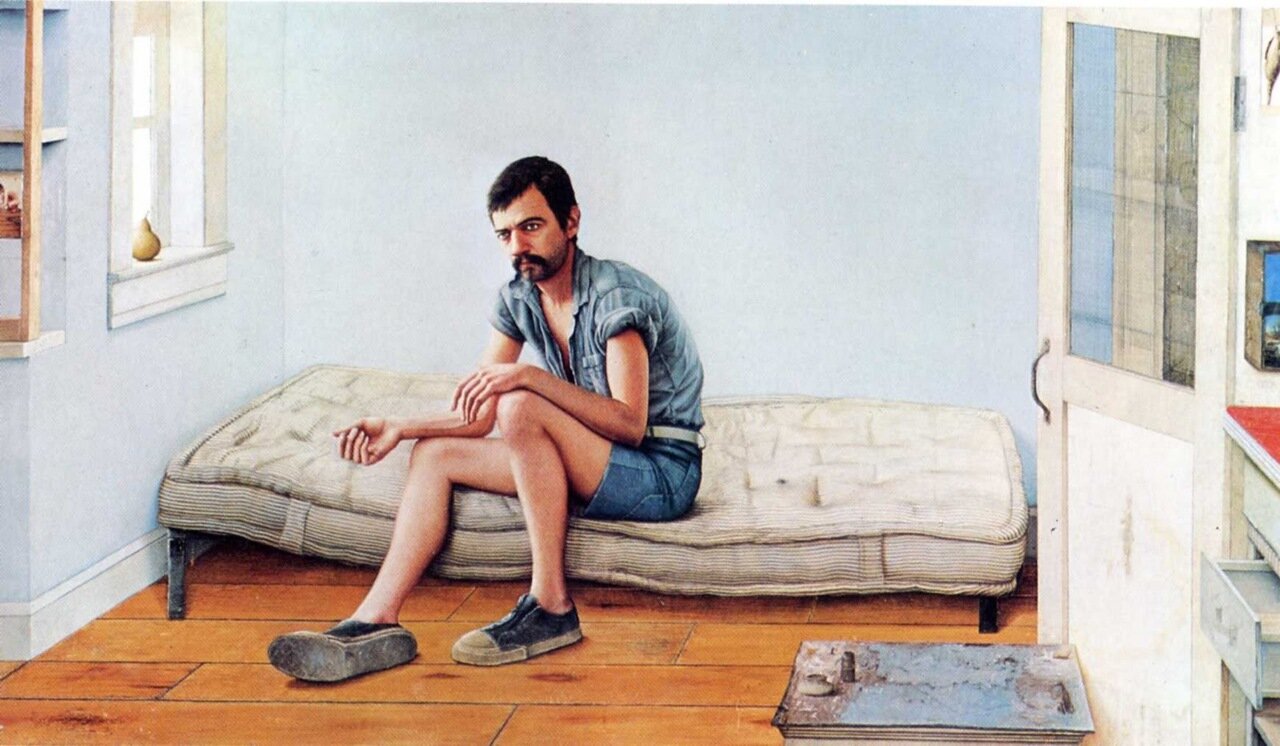
Matt Bollinger on Gregory Gillespie
In Self-Portrait on Bed, made in 1973-74, Gregory Gillespie paints himself as a not-quite young man, some years older than I am as I write this. He sits on a mattress that sags toward the floor.
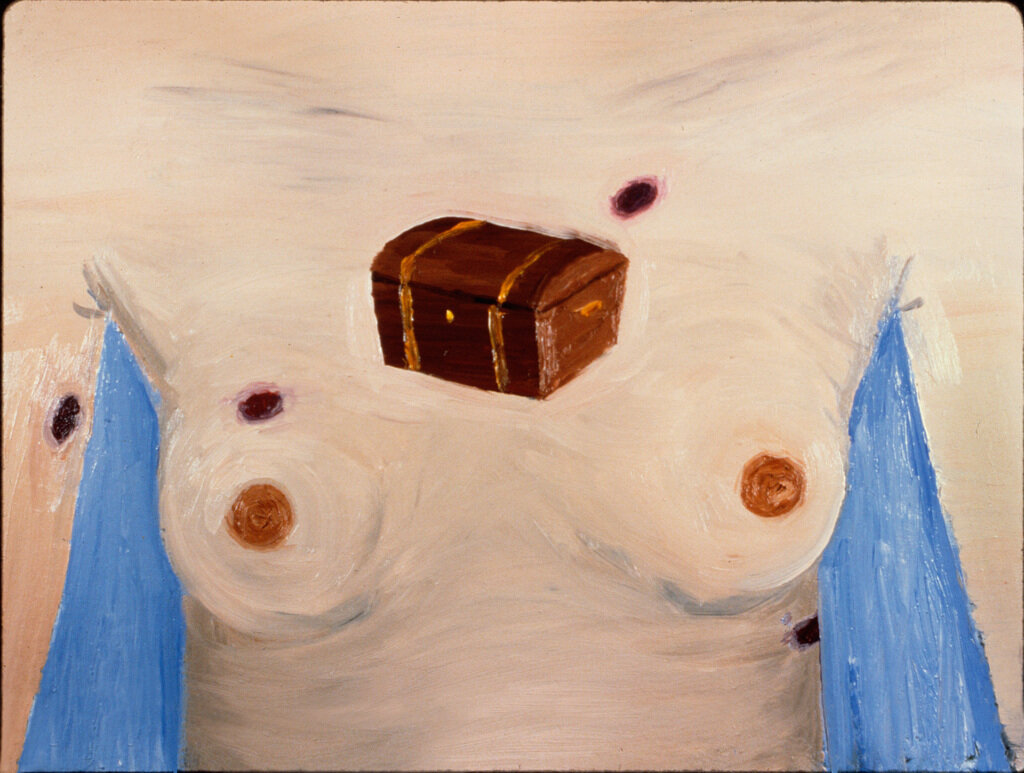
Meena Hasan on Robert Gober
I recently visited Robert Gober’s The Heart is Not a Metaphor at the MoMA, and at the core of the exhibition was a dark room with Gober’s Slides of a Changing Painting.
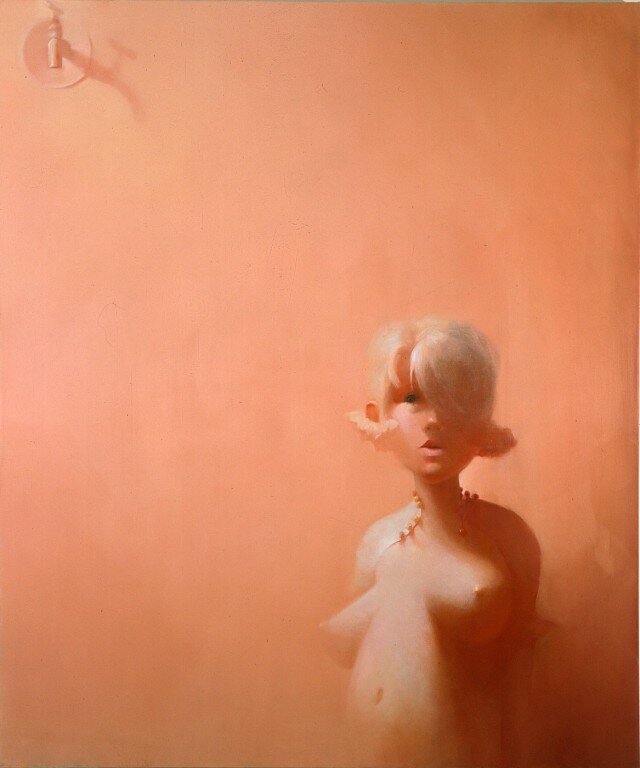
Barbara Friedman on Lisa Yuskavage and “Harnessing Shame”
“Okay, go ahead and look all you want, but it's going to be unpleasant for both of us.” - Lisa Yuskavage in an interview with Mónica de la Torre in Bomb magazine[i]
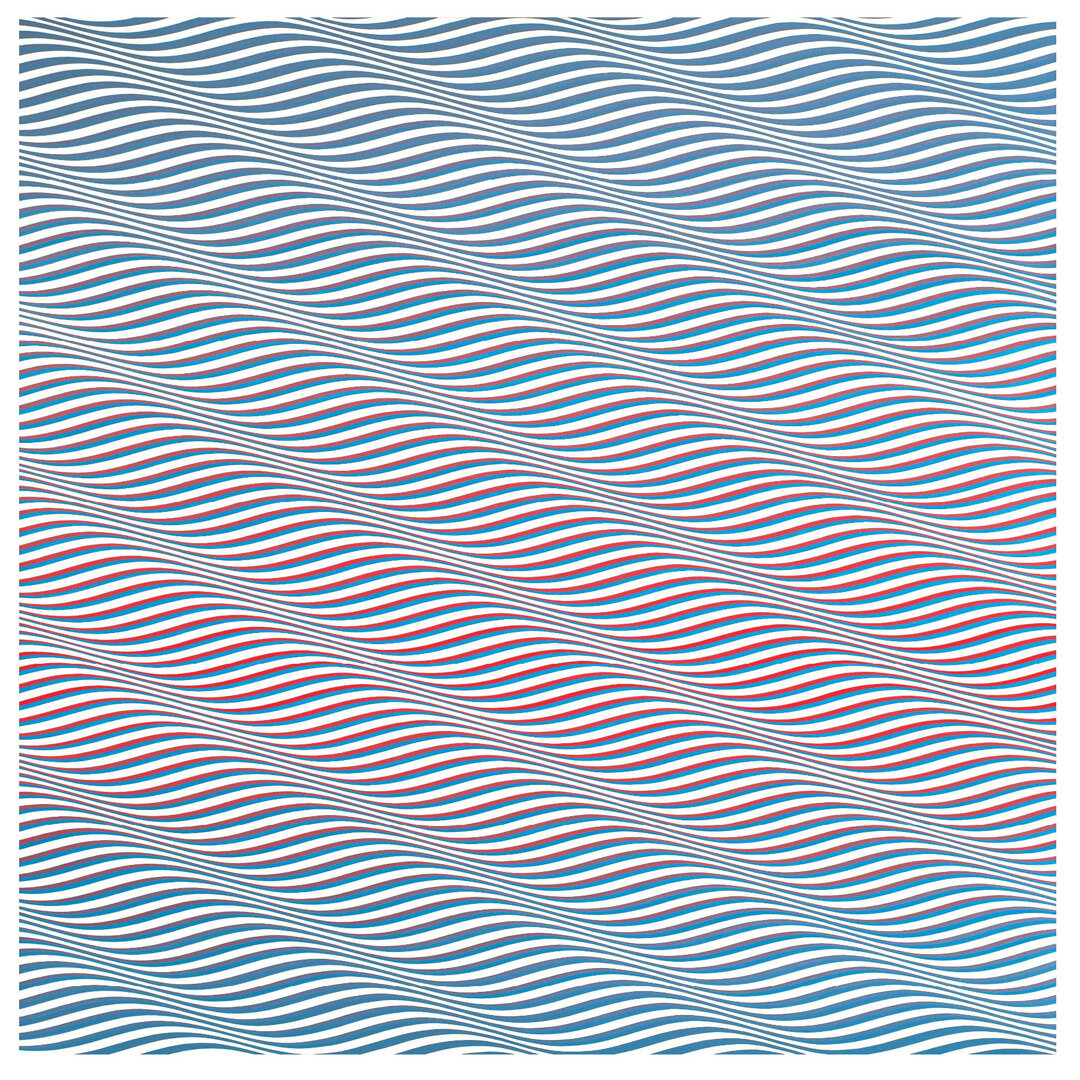
Anoka Faruqee on Bridget Riley
Bridget Riley described the experience of viewing her paintings as an “active, vibrating, pleasure,"[i] and was surprised and annoyed that others considered her work painful to look at.
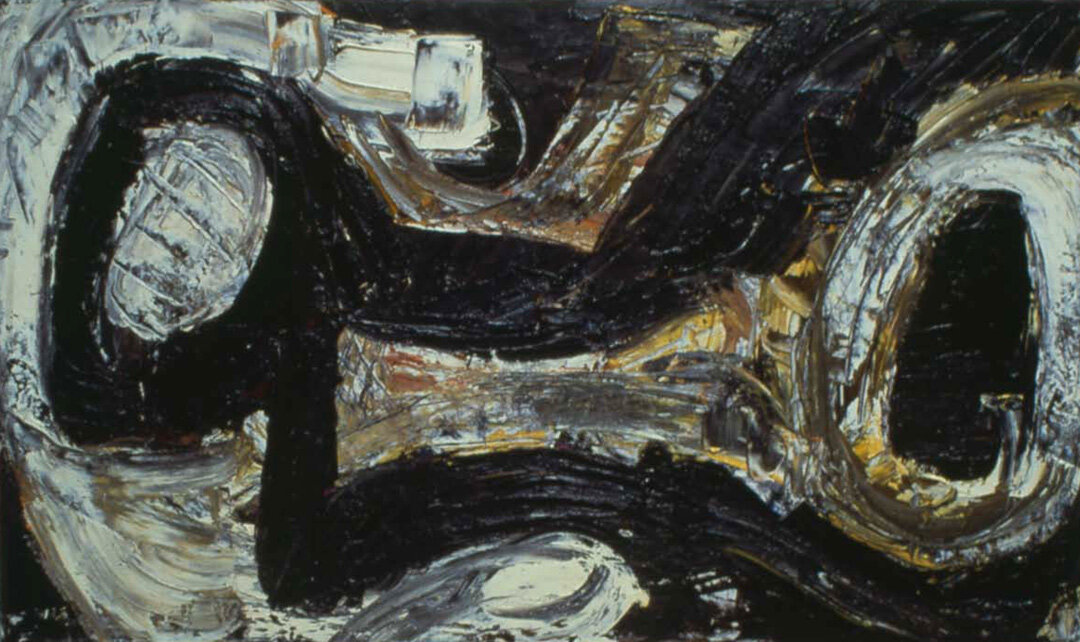
Margaret Atkinson on Louise Fishman
In my memory the painting is titled, “Me and Joe.” It is small, maybe ten by fourteen inches. I am looking at the painting from behind the backs of several classmates who stand clustered around it.

Brenda Goodman on The Guston Curse
The color was not Guston, the shapes were mostly not Guston, and the paint handling was certainly not Guston but people still had to say--“Oh I see Guston in there.”
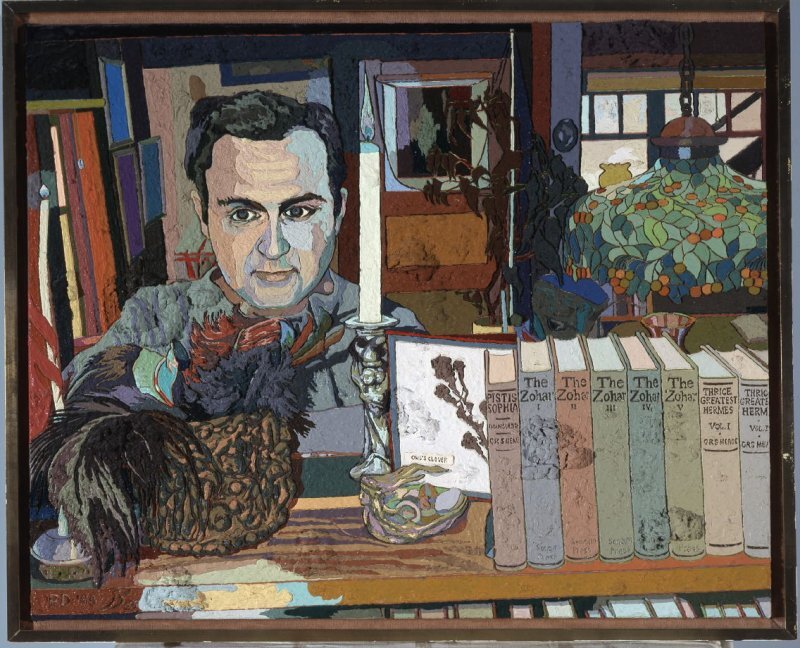
Doron Langberg on Jess
When I saw “The Enamored Mage” in person I was completely transfixed. Painted with heavy impasto, the protrusions of paint gush out of the surface, some following the image, some swelling under it.
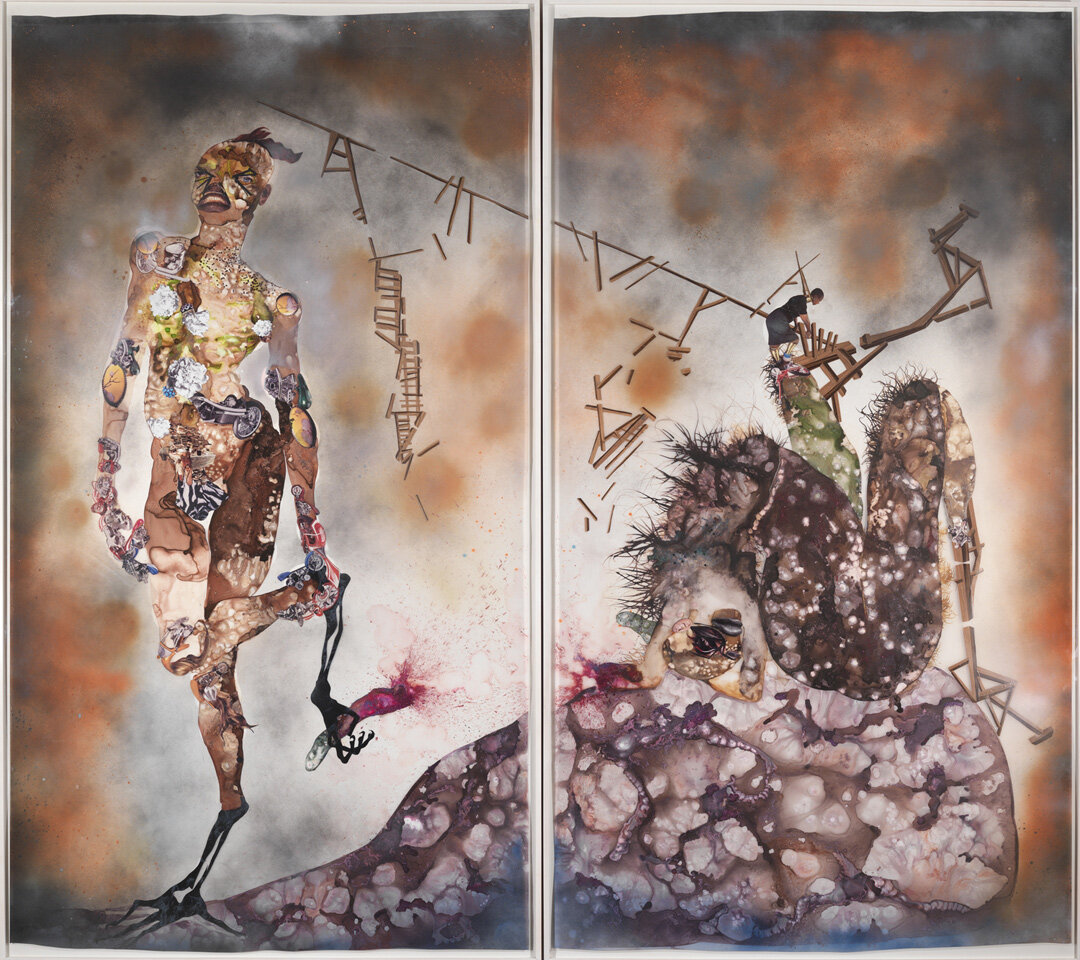
Virginia Wagner on Wangechi Mutu
It was a Lord of the Flies summer. I was coming from an undergraduate art program that served only to nurture the special seed...

Julie Heffernan on Angela Dufresne
A hot/cold interior, a crimson stage in the middle of a veiled blue vault, one lone, naked lady, tiny in scale but lit up—the lightest thing in the room-- presiding over a vast and louche lounge.

Carrie Moyer on Elizabeth Murray
At the time the existence of this intelligent, vivacious woman painter was as inspiring and important to me as the paintings themselves.
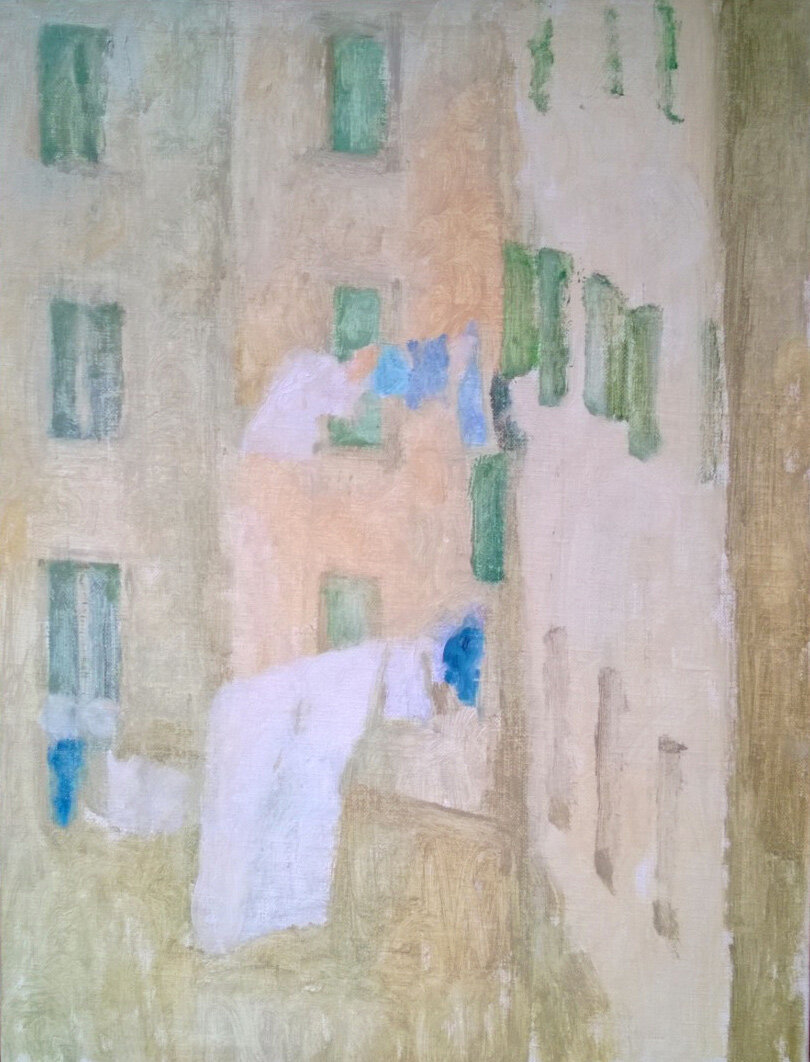
Elaine S. Wilson on Sandra Stone
It is a quiet painting, although we can hear the voices of women calling to each other as they work, the sound of a news announcer on the radio, or a song, perhaps a finch in its cage singing, and the background throb of a pigeon from the rooftop.

Robin Williams on Sylvia Sleigh
Her pieces seemed indifferent to the visual hierarchy that defines space, distance, or remove. Sleigh’s eyes were an equalizing force and connected her with her subjects in a way that felt personal and political.